
Why Social Media No Longer Drives Growth in 2026 (And What Does)
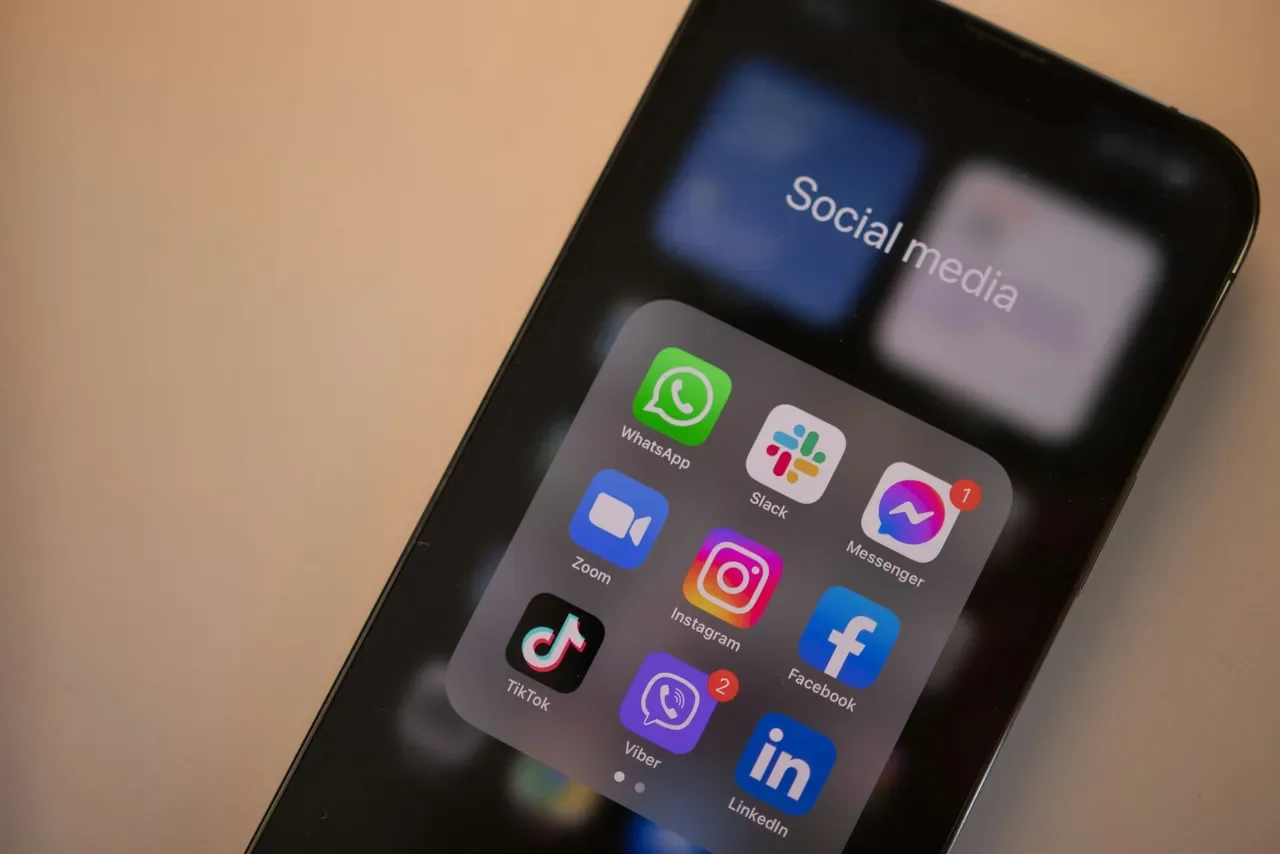
Visibility no longer guarantees access.
By Marketing Savvy Online — strategy for businesses built to last
Before getting into mechanics, something needs to be said plainly.
A growing amount of marketing advice still frames success as an execution problem. With the right hooks, cadence, authenticity, or mindset, businesses are told they can out-create, out-post, or out-optimize the algorithm itself.
That idea is no longer accurate.
It presents modern marketing as a meritocracy, where effort and creativity alone determine outcomes. In reality, this narrative functions as economic cover. It protects platforms, sustains coaching ecosystems, and shifts responsibility away from systems that no longer distribute access evenly.
Marketing does not operate above algorithms.
It operates inside them.
Pretending otherwise causes real harm. Businesses waste time, money, and confidence chasing tactics that cannot overcome structural gating. They internalize failure that is not theirs. They are taught to blame mindset, strategy, or consistency when the actual constraint is access.
This article exists because that confusion has become normalized, and continuing to reinforce it is no longer neutral advice. It is inaccurate.
What follows is not an argument against skill, creativity, or discipline. It is an explanation of the environment those qualities now operate within — and why understanding that environment matters more than chasing magic that no longer exists.
Most businesses don’t think their marketing is broken at first. They assume they need to post more, refine their messaging, or study what’s “working right now.” They tweak hooks, polish visuals, follow best practices, and stay consistent.
And then nothing happens.
No reach. No engagement. No traction. Eventually, the conclusion feels unavoidable: my marketing must be bad.
In 2026, that conclusion is usually wrong.
What most businesses are experiencing is not poor execution. It’s distribution denial — a structural reality that almost no one explains clearly, but nearly everyone is living inside.
Social platforms didn’t collapse. They restructured.
Discovery is no longer the default state. For years, publishing content meant it would at least be tested outside your immediate audience. That assumption is gone. Distribution is now largely pre-allocated. Content is shown primarily to people who already follow you, have already engaged with you, fit an existing interest loop, or were reached through paid placement.
If you are not already inside one of those systems, your content is rarely evaluated at all.
Effort no longer unlocks reach.
This is why businesses feel invisible without being incompetent. Most platforms now function as closed systems. Content circulates inside defined bubbles rather than across open networks. If you’re not already inside a bubble, your posts don’t fail — they never enter the evaluation phase.
This is also why legacy accounts are so often cited as proof that social media “still works.” Those accounts benefit from advantages that are no longer widely available: historical trust signals, established engagement loops, and algorithmic memory earned before throttling became the default state.
From the outside, this looks like growth. From the inside, it’s motion inside a closed loop. The distinction matters because it explains why newer businesses cannot replicate the same outcomes, no matter how closely they copy tactics.
Engagement hasn’t disappeared, but its role has changed. Likes, comments, and shares are now largely contained. They validate content within a bubble rather than expanding reach beyond it. Engagement provides feedback, not access.
This confusion deepens when visibility, authority, and vanity metrics are treated as interchangeable. Being seen, being trusted, and having numbers are three different things. Conflating them leads businesses to optimize what’s visible instead of what converts or compounds.
As organic distribution narrowed, platforms quietly redefined what participation requires. Users are encouraged to stay present, react constantly, and remain online for extended periods — not because this helps businesses grow, but because time spent inside the platform is the product.
A system that requires constant presence is not designed to compound. It is designed to capture attention.
Not all platforms behave identically, but the pattern holds. Search platforms remain intent-driven and open to new entrants. Social platforms are primarily confirmatory, not introductory. They validate credibility. They do not reliably create it.
This also explains why low-quality, automated, or sensational content spreads so easily. Platforms optimize for velocity, reaction, and scalable inventory. Bots and AI-generated sludge thrive under those incentives. Thoughtful, accuracy-driven businesses are structurally disadvantaged.
The most damaging belief in modern marketing is the idea that posting better will eventually break the system open. That belief keeps businesses blaming themselves while ignoring the fact that the door is closed.
Not locked.
Closed.
This is why owned distribution in 2026 has become foundational rather than optional for businesses that want stability. Social platforms are rented space. They can throttle reach, change rules, or de-prioritize behavior overnight. A business built entirely on rented land is exposed by default.
Owned channels behave differently. A website compounds. It captures search demand, explains your business fully, and converts on your terms. A business list provides direct access. It’s portable, algorithm-independent, and grows more valuable with use.
Social media still matters — just not as an engine. Its role is confirmation, context, and legitimacy signaling. A clean, intentional presence now outperforms constant output with no return. For most businesses, the website — not social media — is where clarity, trust, and conversion actually happen.
People are not failing because their marketing is bad. They’re failing because discovery is gated, effort no longer earns access, and platforms prioritize retention over introduction.
Once this is understood, strategy changes.
Less posting.
More ownership.
Less performance.
More architecture.
In 2026, the businesses that grow are not louder. They are better structured. They don’t depend on platforms they don’t control. They use them carefully, sparingly, and strategically.
That’s not pessimism.
That’s operational clarity.
