
Clarity Is Not Automation: The Real Debate About AI and Voice
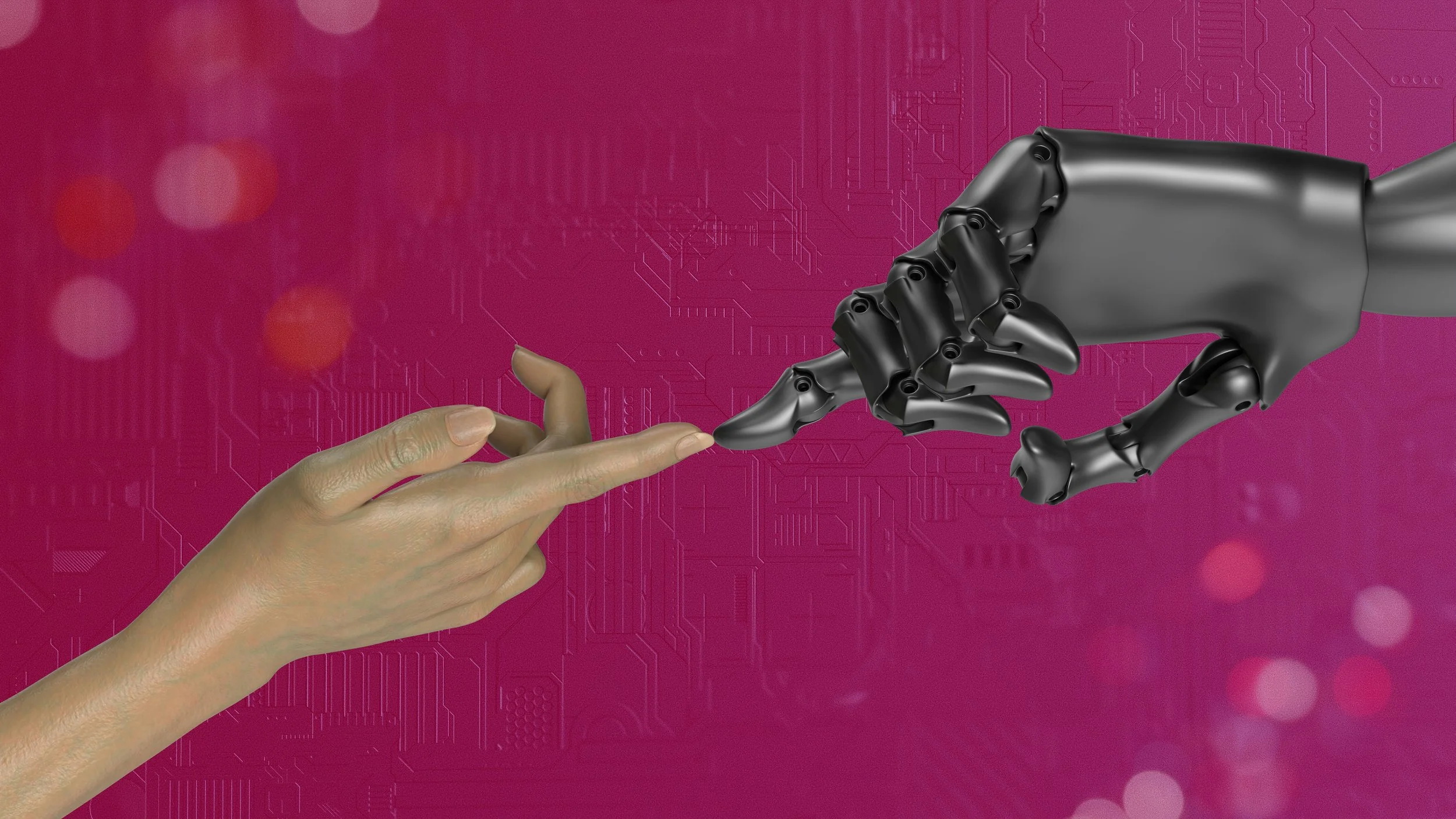
AI doesn’t erase human voice — it exposes the clarity, judgment, and thinking behind it.
By Beth Matthews, Founder of Marketing Savvy Online
There’s a strange moral theater forming around AI and “voice,” and it says more about how people relate to authority than it does about technology.
The accusation usually arrives dressed up as concern: that AI is flattening individuality, that it’s finishing people’s thoughts for them, that something clean or coherent must therefore be suspect. What’s actually happening is simpler and more uncomfortable. Structure is being mistaken for automation, and clarity is being treated as evidence of outsourcing.
This confusion is so deep that even AI detection tools regularly flag fully human writing as machine-generated. Not because the thinking is artificial, but because it’s organized. Detectors are trained to look for patterns: logical progression, consistent tone, balanced syntax, minimal drift. In other words, they’re trained to flag competence. That’s why so many institutions quietly stopped relying on them. Too many false positives. Too much reputational risk. Too little defensible logic. When structure becomes proof of guilt, the entire standard collapses.
And yet the social version of that logic persists. If something sounds too clear, too repeatable, too deliberate, the reflex is to question whether it’s “really yours.” Not to challenge the idea, not to test the framework, but to probe the process. Was a tool involved? Did a machine finish the thought? As if authorship is proven by visible friction rather than consistent perspective.
But voice has never been about phrasing quirks or aesthetic messiness. Voice is what someone sees repeatedly across contexts and can explain without contradiction. It’s judgment. It’s pattern recognition. It’s what holds when the medium changes and the audience shifts. That doesn’t disappear because a sentence is refined or a paragraph is structured. If anything, it becomes more obvious.
This is the same distinction businesses miss when they confuse being seen with being trusted. Authority isn’t built through volume, tone, or aesthetic signals — it’s built through consistent judgment. I break that difference down more fully in my piece on the difference between authority and vanity metrics, where clarity is treated as a credibility signal, not a stylistic choice.
The reason so much AI-assisted content feels interchangeable isn’t because AI erases voice. It’s because many people were already working from the same shallow pool of ideas. Safe opinions. Familiar language. Consensus thinking that never required a framework to begin with. AI didn’t create that sameness. It just removed the delay that used to hide it.
This is also why visibility often rewards clarity rather than originality theater. Discoverability systems don’t amplify chaos — they amplify coherence. I’ve written more about this in what actually drives online visibility, and why structure tends to outperform noise over time.
This is why the conversation so often turns personal. Once the idea itself holds up, the only move left is to question ownership. To imply that clarity must have come from elsewhere. To treat coherence as something borrowed rather than built. But ideas don’t become less owned because they’re sharpened. They don’t become less human because they’re scaled. Ownership shows up in consistency over time, not in whether every keystroke was raw and unassisted.
There’s also a quiet fear underneath this entire debate: that authenticity is fragile. That it can be diluted by tools, systems, or efficiency. That if something becomes too legible, too repeatable, too effective, it must have lost its soul. But real voice isn’t that delicate. It survives editing. It survives structure. It survives distribution. If a perspective collapses the moment it’s clarified, it wasn’t voice. It was vibe.
For people who actually think in systems, AI doesn’t replace cognition. It forces it. It pressure-tests ideas, exposes gaps, and demands coherence. It amplifies whatever is already present. Weak thinking becomes louder noise. Strong thinking becomes sharper signal. The tool isn’t the differentiator. The operator is.
The real divide here isn’t human versus machine. That framing is a comfort blanket. The divide is between original thinking and recycled opinion, between those willing to develop a point of view and those who confuse friction with depth. AI just makes the difference impossible to ignore.
Blaming tools for sameness avoids the harder work of developing something worth amplifying. But clarity isn’t theft, and structure isn’t surrender. The discomfort some people feel right now isn’t about technology. It’s about losing the ability to hide behind messiness as proof of originality.
Tools don’t erase voice.
They reveal whether one was ever doing the work.
